
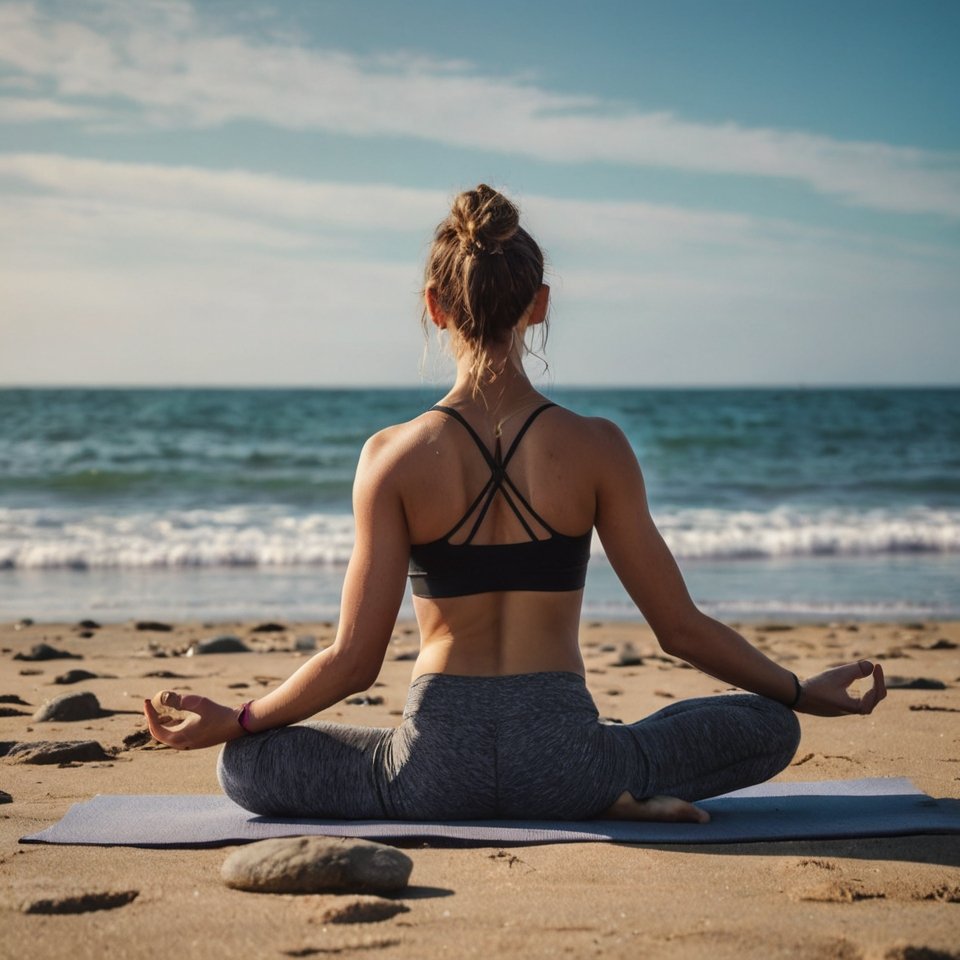
How to Reduce Stress Naturally at Home
Stress has become such a normal part of daily life that many people stop noticing it — until it starts affecting sleep, mood, or physical health. The good news is that effective stress relief doesn’t require expensive retreats or complicated routines. Simple, natural techniques practiced consistently at home can make a measurable difference.
This guide covers how to reduce stress naturally at home using practical methods you can start using today, with no special equipment required.
Understanding What Stress Actually Does to Your Body
Stress triggers your body’s “fight or flight” response — a survival mechanism designed for short-term physical threats, not modern pressures like deadlines or financial worry. When stress becomes chronic, this response stays partially activated, leading to tension, poor sleep, and reduced ability to focus.
The goal of stress management isn’t to eliminate stress completely — some stress is normal and even useful. The goal is preventing it from staying switched on long-term.
1. Practice Slow, Controlled Breathing
Breathing techniques are one of the fastest ways to calm your nervous system because they directly signal your brain that you’re safe. A simple method to try:
- Inhale slowly through your nose for 4 seconds
- Hold your breath for 4 seconds
- Exhale slowly through your mouth for 6 seconds
- Repeat for 2–3 minutes
This can be done anywhere — at your desk, before a stressful conversation, or right before bed.
2. Move Your Body for at Least 10 Minutes
Physical activity releases endorphins, natural mood boosters that reduce stress hormones like cortisol. You don’t need an intense workout — a short walk, light stretching, or a few minutes of yoga at home is enough to produce a noticeable shift in tension.
Consistency matters more than intensity here. A daily 10-minute walk outperforms an occasional intense workout for long-term stress reduction.
3. Limit Stress-Triggering Screen Time
Constant notifications, news updates, and social media scrolling keep the nervous system in a low-grade state of alertness. Set specific times to check your phone rather than responding to every notification instantly, especially in the hour before bed.
Even a short screen-free window each evening gives your mind space to genuinely wind down.
4. Create a Simple Wind-Down Routine
How you end your day strongly affects both stress levels and sleep quality. A short, consistent wind-down routine — dimming lights, light reading, gentle stretching — signals your brain that it’s time to shift out of alert mode.
Keep it simple enough that you’ll actually do it every night, not an elaborate routine you’ll abandon after a week.
5. Spend a Few Minutes in Natural Light or Outdoors
Time outdoors, even briefly, has a measurable calming effect on the nervous system. If stepping outside isn’t possible, simply sitting near a window with natural light for a few minutes can still help regulate mood and stress hormones.
6. Use Grounding Techniques During Acute Stress
When stress spikes suddenly, grounding techniques bring your focus back to the present moment instead of spiraling thoughts. A simple method: name 5 things you can see, 4 things you can hear, 3 things you can touch, 2 things you can smell, and 1 thing you can taste.
This interrupts the stress response by redirecting attention away from anxious thinking and toward immediate physical sensations.
7. Keep a Short Daily Stress Journal
Spend two minutes each evening writing down what caused stress that day and how you responded. Over time, this reveals patterns — recurring triggers, times of day you’re most reactive — that you can proactively plan around.
This doesn’t need to be elaborate. Even a few bullet points daily builds valuable self-awareness over a few weeks.
When to Seek Additional Support
Natural techniques are effective for everyday stress, but persistent, overwhelming stress that interferes with daily functioning is worth discussing with a healthcare professional. Recognizing early when stress has become chronic, rather than pushing through it alone, is itself an important stress management skill.
Final Thoughts: Small, Consistent Habits Win
Reducing stress naturally isn’t about one dramatic change — it’s about small, repeated habits that keep your nervous system from staying stuck in alert mode. Pick one technique from this list — breathing, a short walk, a wind-down routine — and practice it daily for two weeks before adding another.
Consistency, not intensity, is what actually produces lasting calm.